After a recent assignment for my Social Studies and the Arts class, I have a new idea about the perspectives of children. This assignment consisted of me interviewing 2 fourth grade students about their knowledge of geography, history, civics and economics. The types of answers I received were a direct example of the old saying "from the mouths of babes". Did you know that what the president does everyday is attend a lot of boring meetings and writes a lot of papers? Or that our current president is McCain Obama? I sure didn't! But where did they get these ideas? McCain Obama makes me think that when this student was in the second grade during our last election she saw all sorts of advertisements and news items that said both of those names together. I could see that deduction being made. And we see all sorts of pictures of presidents, past and present, sitting a a desk looking at papers.
 These two observations make sense to me and definitely to an 8 year old. When asked what a judge does, one student told me that she thinks a judges job is to decide where a child goes when parents get a divorce. I would bet that this little girl has seen this first hand. Their answers to these questions were all a matter of perspective. How are they seeing the world at 8?
Sometimes I wish I had the perspective of child. They take almost everything at face value and don't read into every single thing that happens like I am sometimes guilty of doing (ok...more than sometimes). Their point of view as a child molds their learning and needs to also mold my teaching. By broadening their horizons I can help them shed new light on various issues and ideas through the lens of a child.
I think the students that have the hands down advantage on their creative and unique point of view and perspective are those of English Language Learners. They have experience the world in a way that I can not even imagine. Many of them coming to this country at an age that still allows them to have memories of their homeland and typically in a community with other people from the same ethnic background while being exposed to everything "American" in the public schools. These are students we need to draw on for cultural experiences and alternative points of view in our lessons. How are elections done where they come from? What are holidays like? What is the weather like? How is this word pronounced in Spanish/Portuguese/Gujarati/Gaelic/German? These students bring a whole different perspective on the world than most native born Americans can never fully understand. It is important to take advantage of this within the classroom and look at their ESL status as a resource as opposed to something that we must work against.
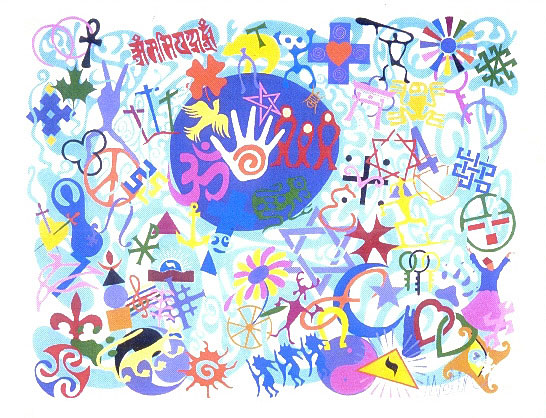
I believe that as we learn and grow we are able to look at things through multiple points of view. I can observe as a woman, a southerner, a North Carolinian, a Christian, a married woman, a daughter, and now I will be adding to that list an educator. I want to help my students understand how to view things through their own point of view and also appreciate others in a caring learning environment.


 This was a photography exhibit mixed with a few artifacts including an actual flat bottomed skiff donated from a fisherman's family. As a person who loves fishing and the coast of North Carolina, this was a really interesting experience. Seeing these old boats as a piece of history as well as art showed a side of North Carolina that I feel many people do not get to see. These old boats, sometimes abandoned, are not junk, they are a piece of eastern North Carolina's history and hopefully it's future.